LOCAL HISTORY
Ann Arbor Hills: architecture shaped by a growing city
Ann Arbor Hills developed primarily during the first half of the twentieth century as Ann Arbor expanded eastward from the University of Michigan and the city's historic center. Its rolling terrain, mature trees and curving residential streets helped create a neighborhood pattern distinctly different from the tighter street grids found closer to downtown.
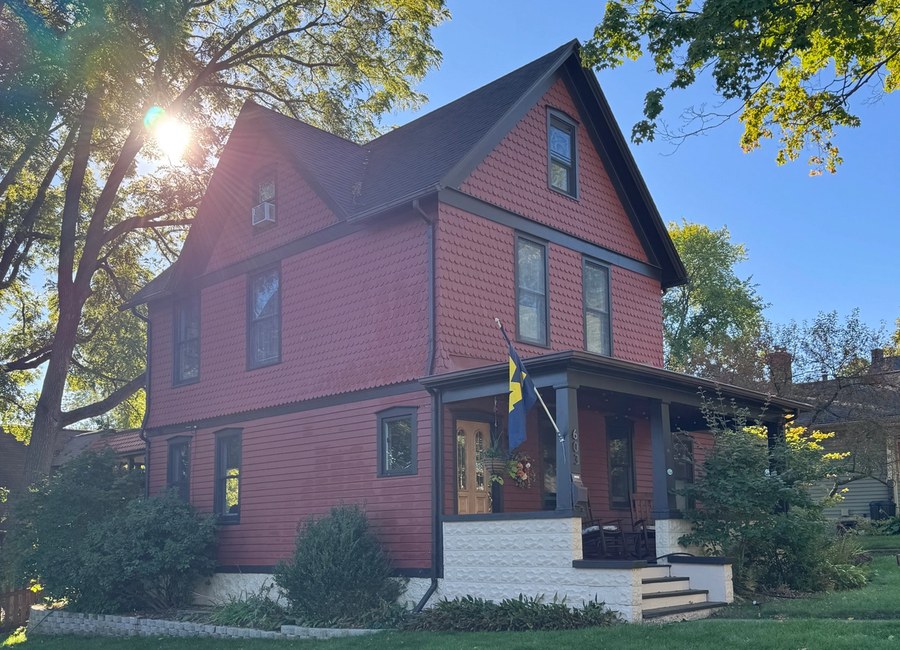
Development occurred over several decades rather than all at once, contributing to the neighborhood's architectural variety. Traditional homes from the 1920s and 1930s stand alongside later residences, including notable examples of mid-century modern and custom residential design.
That evolution remains visible today. Different architectural periods, varied homesites and the neighborhood's relationship with nearby natural areas give Ann Arbor Hills a distinctive physical character while its location keeps it closely connected to the University of Michigan and central Ann Arbor.