LOCAL HISTORY
Lower Burns Park: a neighborhood shaped by Ann Arbor's growth
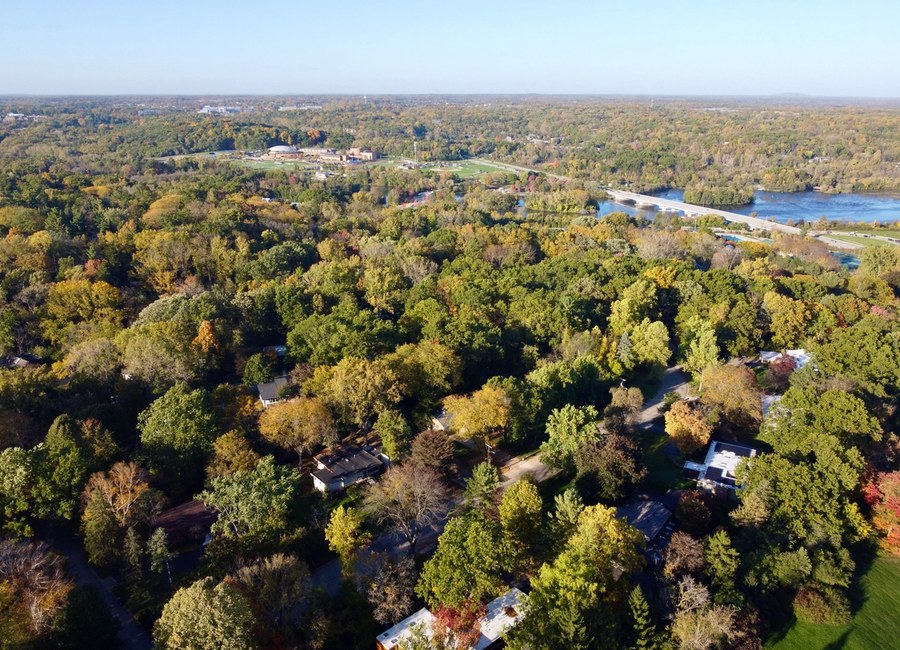
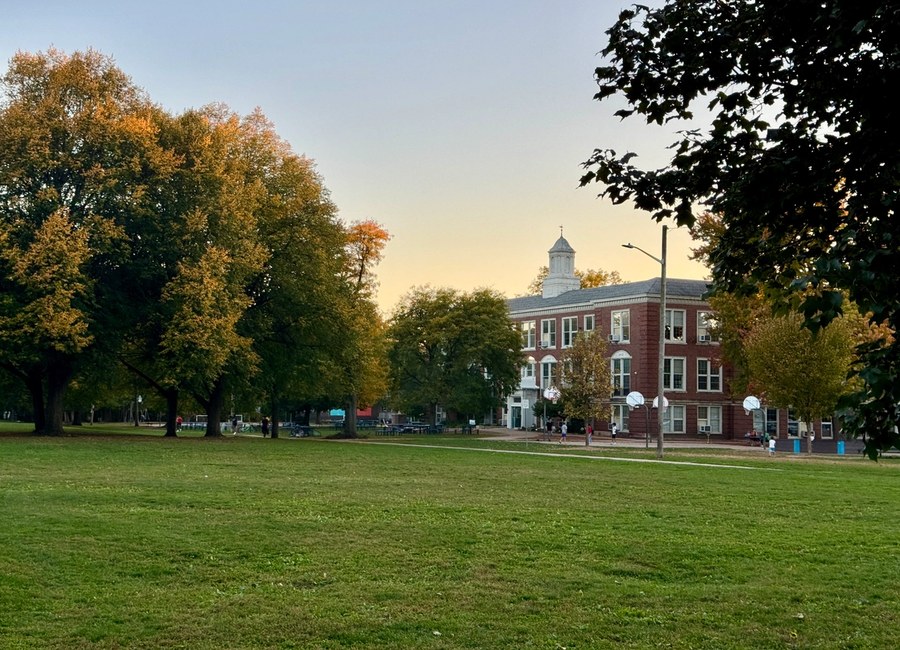
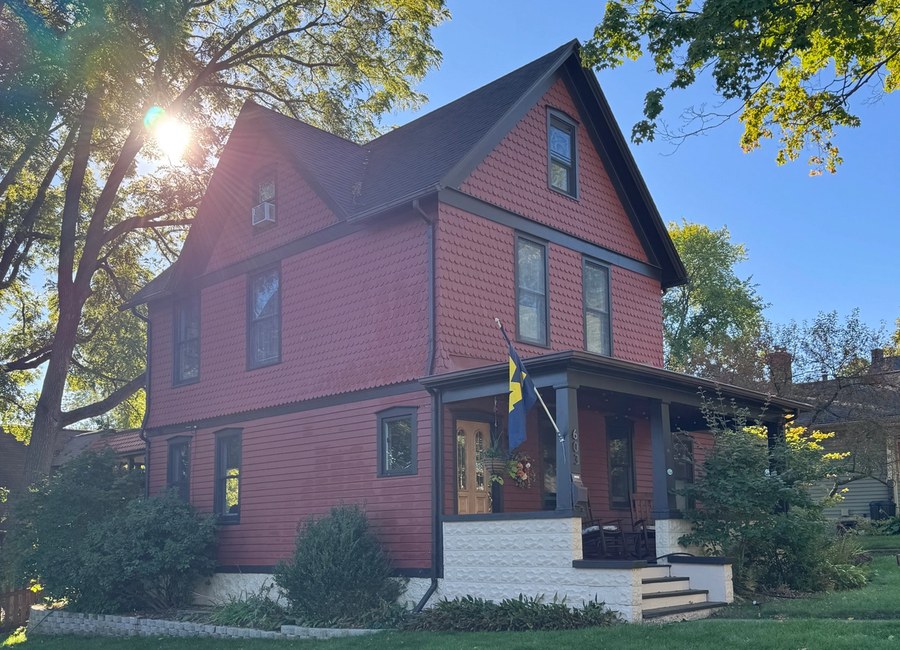
Lower Burns Park developed largely during the first half of the twentieth century as Ann Arbor expanded south from the University of Michigan and the city's older residential neighborhoods. Much of the broader Burns Park area was built out from the 1910s through the 1940s, creating residential streets filled primarily with single-family homes from several architectural periods.
Packard Street became an important dividing line within the broader Burns Park area, with the neighborhood south of Packard developing an identity of its own as Lower Burns Park. Today, the Lower Burns Park Neighborhood Association generally identifies the neighborhood as the area bounded by Packard Street, Stadium Boulevard, South State Street and Dewey Avenue.
The neighborhood's history also includes an important connection to poet and University of Michigan alumnus Robert Hayden and his wife, Erma Hayden, who returned to Ann Arbor in 1969 and lived on Gardner Avenue. Their home in Lower Burns Park was later designated as a City of Ann Arbor historic district, adding another layer to the neighborhood's cultural and architectural history.